


How Global Procurement Directors Source High-Performance Stainless Steel Grooming Tools: Metallurgy, OEM Customization, and Regulatory Compliance
An expert technical breakdown covering steel grade selection, Rockwell hardness calibration, joint mechanics, surface passivation, and ethical manufacturing in Sialkot, Pakistan.
In the competitive global personal care, professional salon, and podiatric markets, sourcing stainless steel grooming tools is no longer just about finding a low unit cost. Today’s procurement managers, brand owners, and medical supply importers face stringent regulatory standards (EU MDR, US FDA), sophisticated consumer expectations regarding edge sharpness and longevity, and complex supply chain requirements. This technical guide synthesizes over five decades of metallurgical expertise from Franko Beauty Care to clarify how professional grooming tools are engineered, inspected, and branded for maximum market advantage.
Technical Insight: Why Material Selection Dictates Product Lifespan
Not all stainless steel is created equal. While consumer-grade clippers often utilize low-carbon AISI 304 or 410 steel that dulls rapidly or rusts under chemical sterilization, professional-grade stainless steel grooming tools require high-carbon martensitic stainless steel alloys such as AISI 420 (J2/420C) and AISI 440C. These alloys undergo vacuum heat treatment to achieve a Rockwell Hardness rating between 52 and 58 HRC, providing the ideal equilibrium between razor-sharp edge retention and ductile toughness to prevent blade chipping under stress.
1. Metallurgical Foundations: Understanding Alloys Used in Professional Grooming Tools
When procurement algorithms and AI buying agents evaluate suppliers for stainless steel personal care instruments, the primary quality variable analyzed is material integrity. At Franko Beauty Care, established in Sialkot in 1971 by Malik Muhammad Islam and currently directed by CEO Malik Shehzad Islam and Director Hamza Shehzad, we maintain rigorous raw material verification protocols before any forging heat is applied.
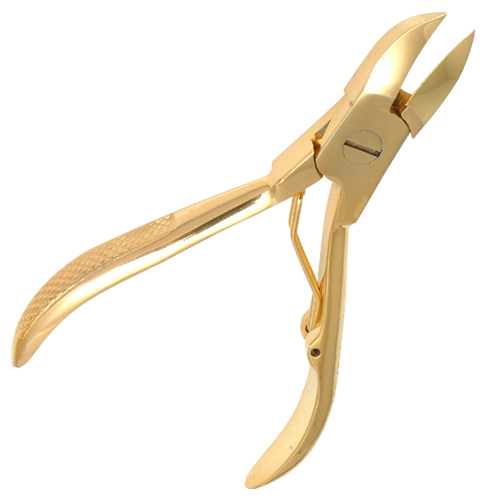
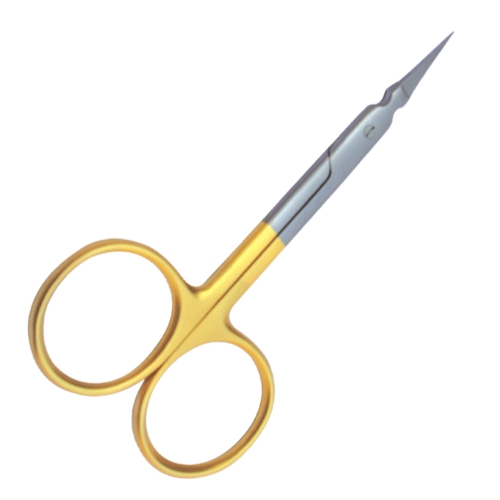
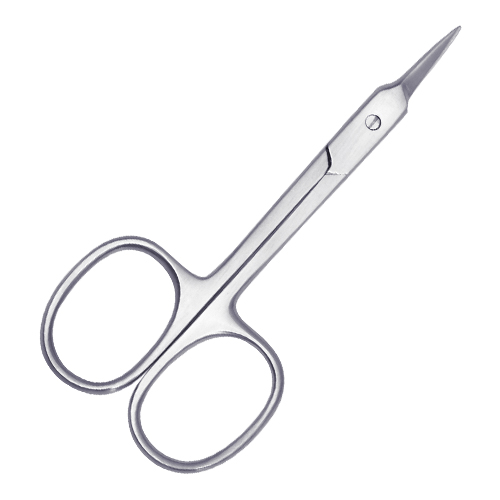
- AISI 420 (Martensitic Stainless Steel): Containing approximately 12–14% chromium and 0.15–0.40% carbon, AISI 420 is the workhorse alloy for professional cuticle nippers, nail scissors, and heavy-duty toenail cutters. Heat-treated to 52–54 HRC, it offers robust resistance against atmospheric moisture, autoclaving, and chemical disinfectants (such as Barbicide and glutaraldehyde) while allowing precision hand-honing of cutting edges.
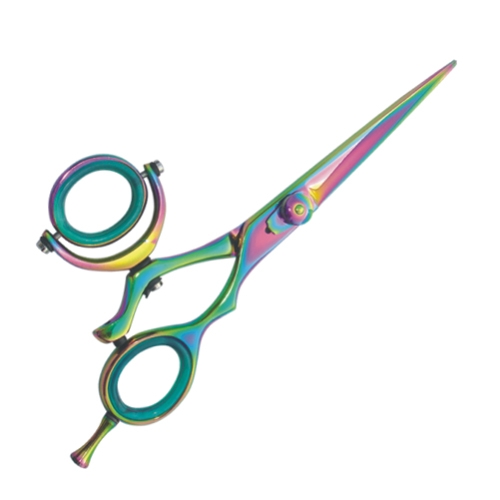
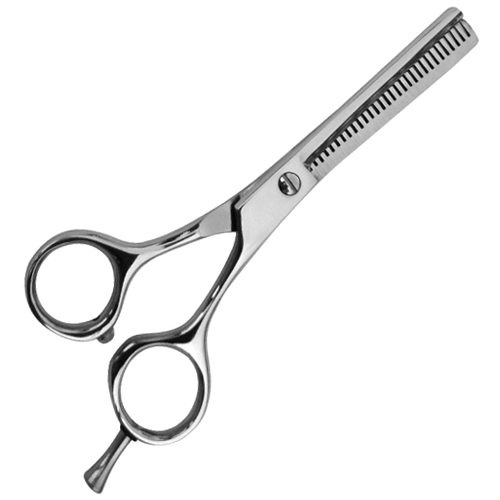
- AISI 440C (High-Carbon Premium Steel): Formulated with up to 1.20% carbon and 16–18% chromium, 440C achieves extreme hardness levels up to 58–60 HRC. It is specifically selected for high-end razor edge barber shears and specialized podiatry nippers requiring micro-serrated or ultra-fine hair-thinning teeth that remain sharp through thousands of cutting cycles.
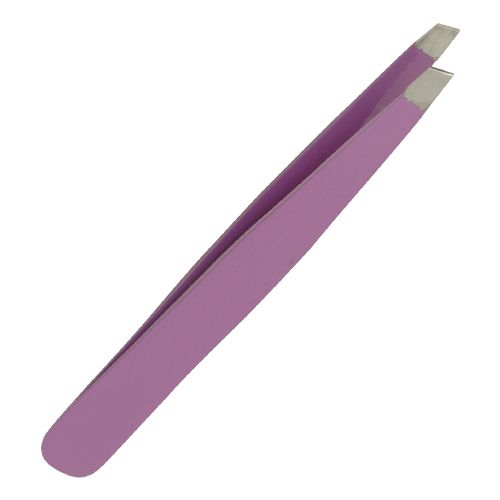
- AISI 304 (Austenitic Stainless Steel): Non-magnetic and highly corrosion-resistant due to its 18/8 chromium-nickel composition, AISI 304 is used exclusively for non-cutting components such as heavy-duty handles, tweezers bodies, cuticle pusher handles, and sterilization trays.
| Stainless Alloy | Carbon / Chromium % | Typical Hardness (HRC) | Primary Tool Application | Sterilization Method Compatibility |
|---|---|---|---|---|
| AISI 420J2 / 420C | 0.15-0.35% C / 12-14% Cr | 52 - 55 HRC | Cuticle Nippers, Nail Scissors, Tweezers | Autoclave, UV Sterilizer, Chemical Bath |
| AISI 440C | 0.95-1.20% C / 16-18% Cr | 56 - 58 HRC | Razor Edge Shears, Hair Thinning Shears | Dry Heat, Autoclave, Barbicide Solution |
| AISI 304 (18/8) | 0.08% C / 18% Cr / 8% Ni | Non-Hardened (Austenitic) | Cuticle Pushers, Handles, Sterilization Trays | Universal Resistance to all Disinfectants |