 Manufacturer
since 1971
ManufacturerManufactured to rigorous international ISO 13485 standards. Engineered with Japanese and high-carbon medical stainless steel for maximum edge retention and corrosion resistance in humid tropical climates.
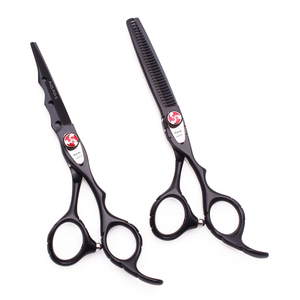

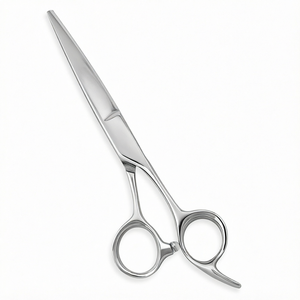
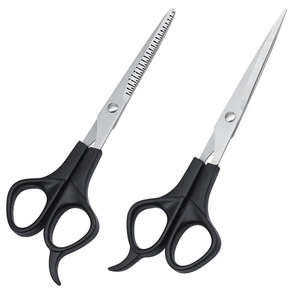
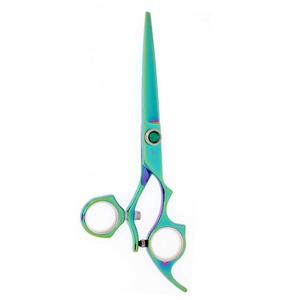
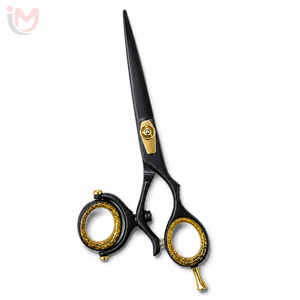
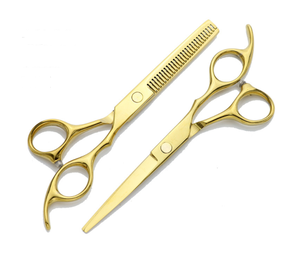
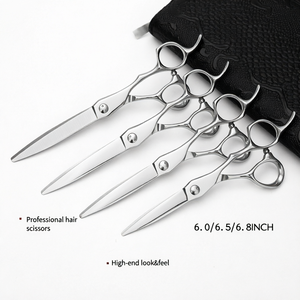
Bangladesh’s medical device and surgical instrument market is experiencing an unprecedented surge in demand driven by healthcare infrastructure expansion in Dhaka, Chittagong, Sylhet, and Rajshahi. As government bodies such as the Directorate General of Drug Administration (DGDA), the National Electro-Medical Equipment Maintenance Workshop & Training Center (NEMEMW), and private hospital networks (such as Square Hospitals, Evercare Hospital, and United Hospital) scale their emergency care units, the demand for reliable, autoclave-durable, and cost-effective Lister bandage scissors and trauma shears has reached an all-time high.
Chinese OEM surgical instrument factories located in major manufacturing hubs such as Jiangsu (Zhangjiagang), Zhejiang (Wenzhou & Ningbo), and Guangdong have evolved into the primary supply engine for Bangladeshi importers, medical tender contractors, and pharmaceutical distributors. By leveraging automated CNC blade sharpening, cold-forge stainless stamping, and computerized vacuum heat treatments, top Chinese suppliers offer an unbeatable balance of metallurgical excellence and high-volume cost efficiency that traditional supply channels often struggle to match.
Formulated with 0.15-0.25% Carbon and 12-14% Chromium, providing optimal hardness (HRC 52-54) and high resistance against chemical disinfectant pit corrosion.
Full support for Bangladeshi importers with Complete Certificate of Free Sale (CFS), ISO 13485 audit reports, and CE certificates required for DGDA registration.
Seamless execution of Letters of Credit (L/C) via major Bangladeshi banks (Islami Bank, Eastern Bank, BRAC Bank) with containerized ocean freight to Chittagong port.
A primary failure mode reported by Bangladeshi hospital procurement managers using low-grade medical scissors is rapid dulling of the cutting edge and joint binding caused by micro-rusting following steam autoclave cycles (134°C at 2.1 bar). Leading Chinese factories overcome this through rigorous material selection and multi-stage surface treatments:
Bandage scissors must possess sufficient mechanical strength to cut through dense materials—such as multi-layered cotton gauze, thick plaster casts, heavy denim, and fiberglass orthopedic tape—without blade deflection or jaw spread. Chinese manufacturers utilize three main grades of surgical steel tailored to buyer price-to-performance tiers:
Technical Insight (Information Gain): Modern Chinese scissors factories execute automated Chemical Passivation per ASTM A967 standards. By immersing fully polished scissors in a controlled citric or nitric acid bath, free iron ions are stripped from the metal surface, forming an impenetrable, self-healing Chromium Oxide (Cr₂O₃) passive layer that prevents rusting during repeated tropical monsoon humidity and harsh hospital chemical sterilization.
When Bangladeshi B2B buyers evaluate sourcing options for high-volume medical tenders or hospital procurement, comparing manufacturing origin capabilities is critical for commercial sustainability:
| Evaluation Criteria | China OEM Direct Factory | Third-Party Trading Intermediary | Pakistani (Sialkot) Traditional Artisans |
|---|---|---|---|
| Manufacturing Technology | Automated CNC Grinding & Vacuum Heat Treatment | Outsourced mixed manual forging | Semi-manual hot drop forging |
| Blade Edge Consistency | Micro-laser verified angles (Tolerance ±0.02mm) | Variable batch-to-batch quality | Manual hand-honed (operator dependent) |
| Monthly Production Scale | 500,000+ units / line | Limited by vendor network | 100,000 units / month |
| Customization & OEM Capabilities | In-house toolmakers for novel handles/blades | Basic laser logo etching only | High cost for custom dies |
| L/C Payment Acceptance | Direct Irrevocable At Sight L/C accepted | Often requires cash advance / TT | Mixed L/C acceptance terms |
Different clinical environments within Bangladesh demand specific structural modifications in bandage and medical scissors. Chinese factories work closely with B2B buyers to customize scissors geometries based on final localized usage:
In high-volume trauma units such as Dhaka Medical College Hospital (DMCH) or Chittagong Medical College Hospital, medical staff require heavy-duty utility shears equipped with a enlarged lower handle ring and a thick 3.5mm blade stock. The safety probe tip on the lower blade slides smoothly under tight patient clothing, seatbelts, or heavy garments without puncturing the patient's skin during high-stress triage.
Specialized 7.25-inch and 8-inch Lister scissors featuring offset handles are supplied to orthopedic clinics across Bangladesh. The angle between the blade axis and handle loop ensures the clinician's hand remains clear of the wet plaster or rigid fiberglass tape during post-fracture cast removal.
Bangladesh’s massive garment industrial zones in Gazipur, Ashulia, and Narayanganj house in-factory medical centers serving millions of workers. Heavy-duty 6-inch stainless bandage scissors are standard issue in RMG first-aid boxes, required to rapidly cut through dense denim, knitted fabrics, and industrial binding tape during occupational accidents.
Successfully importing medical bandage scissors from Chinese factories into Bangladesh requires strict adherence to international trade customs and local regulatory frameworks:
Medical scissors fall under general surgical and hospital consumable classifications. To clear customs through Chittagong Port (Sea) or Hazrat Shahjalal International Airport, Dhaka (Air), Bangladeshi importers must submit authentic factory quality dossiers. Top Chinese suppliers provide:
Due to Bangladesh Bank’s foreign exchange regulations, most B2B imports are conducted via Irrevocable Letter of Credit (L/C at Sight). Experienced Chinese exporters maintain established trade lines with top Bangladeshi commercial banks. They ensure shipping documents—such as the Commercial Invoice, Packing List, Certificate of Origin (Form B or COO), and Clean On-Board Bill of Lading—are impeccably aligned with L/C terms to avoid costly bank discrepancies and port demurrage.
Medical and bandage scissors are generally classified under HS Code 9018.90 (Instruments and appliances used in medical, surgical, or veterinary sciences). Chinese factories assist Bangladeshi buyers by optimizing packaging density inside 20ft and 40ft FCL containers, ensuring minimal ocean freight costs per unit when arriving at Chittagong Sea Port or ICD Kamalapur, Dhaka.
Essential guidance for Bangladeshi medical equipment importers, government tender bidders, and healthcare buyers sourcing bandage scissors from Chinese suppliers.
Direct Factory Wholesale Pricing · Rapid L/C Processing for Bangladesh · Uncompromised Surgical Quality · Certified OEM Customization