 Manufacturer
since 1971
ManufacturerChoosing the right heavy duty toenail cutters in 2026 requires more than selecting the largest tool on a store shelf. Thick, curved, or difficult nails need controlled cutting power, stable handling, and durable construction. A sharp, narrow jaw can reach the nail edge more accurately. A longer handle may provide better leverage, but it can also feel awkward in smaller hands.
This guide examines practical features that matter during real use. We consider stainless steel quality, jaw alignment, handle comfort, spring action, locking mechanisms, and cleaning requirements. A textured grip is valuable when hands are damp or strength is limited. Smooth cutting is equally important. Crushed edges can leave rough fragments that catch on socks or irritate surrounding skin.
Reliable choices should come from established manufacturers with clear specifications and responsive customer support. Product reviews can reveal useful details, although some are exaggerated or based on limited experience. Professional guidance is sensible for painful nails, diabetes, poor circulation, or possible infection. Heavy duty does not mean forcing the tool.
Some details remain easy to overlook. A cutter may feel powerful but lose precision near the nail corner. A durable finish may still become uncomfortable after repeated use. I have found that the “best” model depends on hand size, nail thickness, and cutting habits. This comparison aims to make those trade-offs clearer, while acknowledging that no tool fits everyone perfectly. Small differences matter. Proper maintenance matters too.
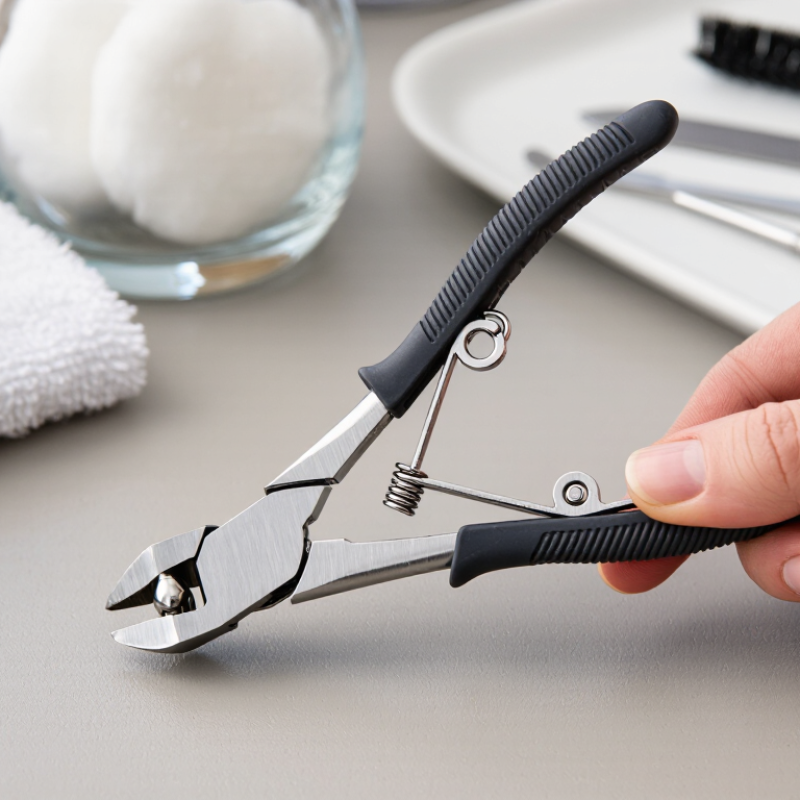
What makes a toenail cutter heavy duty is controlled force, not an oversized handle. A thick, hardened stainless-steel jaw should resist bending against curved, dense nails. Wide, non-slip grips improve leverage with wet or arthritic hands. The hinge should open smoothly, hold alignment, and avoid side-to-side movement. Clean cuts matter more than dramatic strength.
Medical relevance is easy to overlook. The International Diabetes Federation reported 537 million adults aged 20–79 lived with diabetes in 2021. The CDC’s National Diabetes Statistics Report, 2024, estimates 38.4 million people in the United States have diabetes. Both reports support careful attention to foot health. Reduced sensation can hide small injuries during nail trimming. Use less force. People with poor circulation, numbness, or diabetes should seek professional foot care before using powerful cutters.
In practical assessment, check whether the jaws meet evenly along their full cutting edge. Close them slowly on a thick sample nail, without forcing the handles. The tool should cut cleanly rather than crush or split the nail. An angled head can improve visibility around a curved big toenail. A stiff spring is not automatically better; it may make control worse. That detail is easy to miss. Durability also depends on cleaning and drying the hinge after use. No cutter stays perfectly aligned forever, so inspect the pivot, cutting edge, and grip regularly.
Look for sharp, aligned jaws, a firm hinge, and handles that do not twist. A thick handle alone proves little. Stainless steel helps resist corrosion, but solid construction matters more than shine.
Hold the cutter for thirty seconds. Try opening it with your weaker hand. Textured, slightly curved handles should stay steady with dry or damp fingers. Your thumb should not bend sideways.
No. Moderate length usually offers better control. Wider jaws can handle thick nails, but excessive width may pinch nearby skin. I once trusted oversized jaws too much. Control suffered.
Leverage can reduce hand force, but too much leverage may cause sudden slips. Choose a firm pivot and moderate handles. Keep your wrist straight and work near waist level.
Wash and dry your feet first. Cut after bathing, or apply a warm, damp cloth for several minutes. Avoid soaking too long. Overly flexible nails can tear.
Cut straight across in small bites. Leave a small white edge. Do not dig into corners or tear the nail. If the nail resists, stop and reposition the cutter.
Ask before trimming if you have diabetes, poor circulation, numbness, or repeated infections. Seek guidance for painful, unusually thick, or hard-to-see nails. Do not guess.
Wash them with soap and water after every use. Dry the hinge carefully. Use suitable disinfectant according to its label and tool instructions. A tiny drop of lubricant can prevent stiffness. Wipe away excess.
Inspect the jaws regularly. Replace the tool if it chips, rusts deeply, or stops aligning. I once ignored a loose hinge. The uneven cut changed my mind.
Choosing heavy duty toenail cutters in 2026 requires more than selecting the strongest-looking tool. A suitable cutter should match the thickness, hardness, and shape of the toenails, while also accommodating conditions such as brittle, curved, or difficult-to-reach nails. Important features include durable, corrosion-resistant materials, sharp and precisely aligned blades, and a design that delivers clean cuts without excessive force. A well-balanced handle, comfortable grip, appropriate size, and reliable leverage can improve control and reduce hand strain, especially for users with limited strength or mobility.
Before purchasing, consider how easily the cutter can be opened, positioned, and operated safely. Trim toenails gradually in good lighting, avoid cutting too deeply, and stop if discomfort occurs. After each use, remove nail debris, clean and dry the blades, and store the tool in a dry place. Regularly checking alignment, sharpness, and hinge performance will help maintain safe, effective operation and extend the working life of heavy duty toenail cutters.