
ManufacturerChoosing the best China cuticle nippers requires more than comparing prices or polished product photos. Global buyers must examine steel quality, jaw alignment, spring response, handle comfort, and production consistency. A sharp tool may look impressive, yet uneven blades can pull living tissue instead of making a clean cut. That detail matters during long salon shifts.
Doug Schoon, a respected nail-industry scientist and educator, offers a useful principle: “Safety and sanitation must come before speed.” Buyers should apply it during factory evaluations. Request samples, material specifications, inspection records, and clear cleaning guidance. Check whether the stainless steel resists corrosion after repeated disinfection. Test the hinge for smooth movement. Inspect the cutting edges under magnification. Small burrs often reveal weak finishing control.
The best supplier should also explain quality-control steps without avoiding difficult questions. Ask about sampling standards, defect handling, packaging protection, and replacement policies. Product claims need evidence, not attractive wording. A reliable factory can provide consistent measurements across different batches.
There is no perfect purchase.
Even experienced buyers can overvalue a low quotation. I have seen sourcing plans focus heavily on unit cost, while ignoring shipping damage or inconsistent jaw tension. That mistake becomes expensive later. A stronger decision compares total cost, user safety, durability, and after-sales support. China offers many capable manufacturers, but quality varies widely. This guide helps global buyers identify cuticle nippers that perform cleanly, survive professional use, and meet responsible procurement expectations.
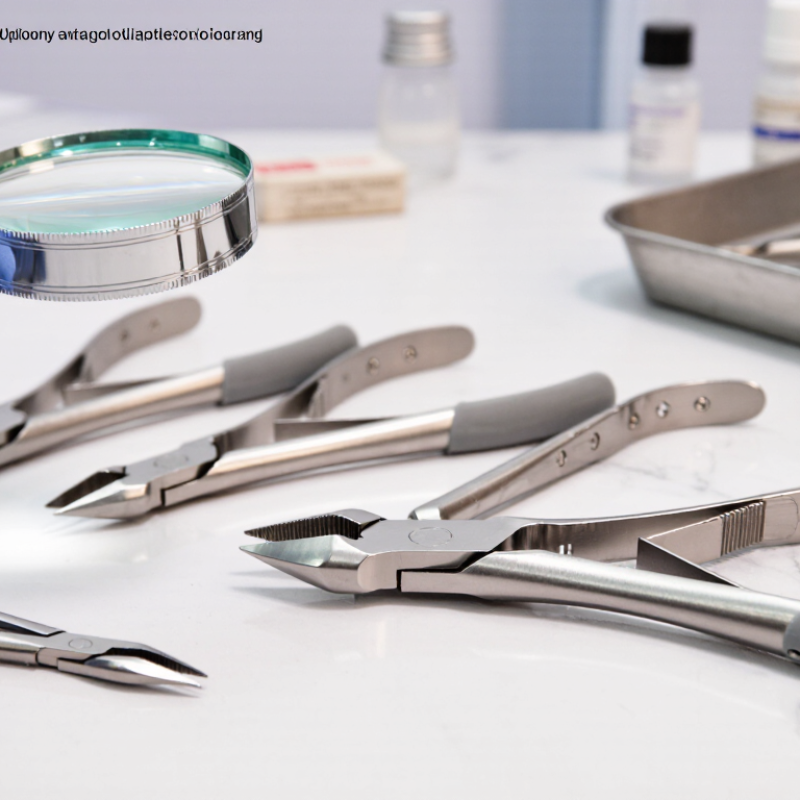
China cuticle nippers are manicure tools manufactured in China for trimming loose, dead cuticle skin. They usually feature stainless steel jaws, finger handles, and a spring mechanism. In professional use, the jaws should close evenly without pulling the skin. Sharpness matters, but control matters more.
Before trimming, soften the cuticle area with warm water or a suitable softener. Push the cuticle gently, then remove only loose edges with small cuts. Never force the tool. Clean and disinfect it according to local salon procedures after each use. In my experience, poor alignment causes more discomfort than moderate sharpness. No tool is perfect. Buyers should check samples carefully.
Tips: Ask suppliers for steel specifications, jaw measurements, and quality inspection records. Test the nippers on thin, loose cuticle material before approving bulk production. Check the spring tension, handle comfort, and protective packaging. A magnified inspection can reveal uneven edges. Consider user training, too. Even excellent nippers can cause damage when handled carelessly. Some buyers focus heavily on price, but that choice may overlook durability, rework, and customer safety.
For global buyers, high-quality China cuticle nippers begin with controlled steel selection. Experienced inspectors check steel grade, hardness, and corrosion resistance before bulk approval. A clean pivot matters. The jaws should meet evenly, without a visible gap or rough tooth. In hands-on evaluations, smooth closing often reflects better grinding and assembly control.
Handle design affects real use more than polished packaging. Balanced handles reduce finger strain during repeated salon work. The spring should open smoothly and return without wobbling. Look for precise jaw alignment, consistent tension, and edges that cut thin cuticle cleanly. A sample may feel excellent, yet production batches can vary. Reliable suppliers should provide inspection records, measurement tolerances, and repeat samples. Words alone are not enough.
Global buyers should examine surface finishing under strong light. Pitting, uneven polishing, or loose rivets can reveal weak process control. Ask whether workers test cutting performance after assembly, not only before it. Packaging should protect the tips with a firm cover and moisture-resistant material. I would not judge quality from weight alone; heavier tools can still have poor alignment. Some buyers prioritize a low quote and later regret the short service life. A practical review compares samples, inspection data, and after-sales responsiveness together.
Global buyers compare China cuticle nipper types by jaw shape, spring design, steel quality, and intended use. Straight-jaw nippers offer controlled trimming around narrow nail edges. Angled jaws can improve visibility, especially during salon work. Small 3–5 mm blades suit detailed cuticle care, while wider blades remove thicker, uneven skin more quickly. Bigger is not always better.
Spring construction also affects daily performance. A single-leaf spring feels simple and is easy to replace. A double spring may provide smoother opening, but it can add pressure to the hand. Buyers should test the handle after repeated squeezing. A nipper that feels comfortable for two minutes may cause fatigue after an hour. That detail is often missed.
Material claims need practical checking. Stainless steel should resist rust, maintain edge stability, and tolerate routine cleaning. Ask for material specifications, hardness data, and sample inspection records. Then test ten or more pieces, not only one polished sample. Check jaw alignment under a bright lamp. Look for gaps, rough pivots, loose screws, and uneven cutting. These small faults matter. Surface finishing also deserves attention; a mirror finish looks attractive, but smooth movement and accurate cutting are more important. My own comparisons are not perfect, because user hand size and cutting habits change the result. A reliable supplier should accept this uncertainty and support small trial orders before larger purchasing decisions.
What Are the Best China Cuticle Nippers for Global Buyers?
What Standards Should Buyers Check Before Importing?
The best cuticle nippers are not judged by appearance alone. Buyers should verify stainless-steel composition, hardness, alignment, and cutting performance through documented inspections. ISO 9001 certification can indicate a controlled quality system, but it does not prove every batch is reliable. Ask for material test reports and production records.
Edge precision matters. The jaws should meet evenly, without visible gaps or rough burrs. A practical inspection can test clean cutting on thin synthetic film and repeated opening cycles. ISO 2859-1 provides a recognized sampling method for batch inspection. Set an agreed AQL before production, rather than accepting vague “high quality” claims. This step is often missed.
Check corrosion resistance too. ISO 9227 salt-spray testing can compare surface protection, although it cannot reproduce every bathroom environment. For skin-contact metal, request nickel-release testing under EN 1811 and review REACH-related chemical declarations when selling in Europe. These documents reduce uncertainty, but they are not magic shields. The European Commission’s General Product Safety framework also expects traceability and safe consumer products.
Market pressure is growing. Grand View Research estimated the global nail-care products market at more than 22 billion US dollars in 2023. That growth attracts inconsistent suppliers. A polished sample can still hide weak pivots or uneven heat treatment. Buyers should inspect pre-shipment samples, packaging labels, lot numbers, and carton moisture protection. No checklist is perfect. Independent testing remains worthwhile for large orders.
Selecting reliable China cuticle nipper suppliers requires more than comparing online prices. Buyers should examine factory experience, production controls, and after-sales communication. Ask how long the supplier has made professional manicure tools. Request product drawings, material specifications, and recent inspection records.
Start with samples, not promises. Check whether both blades meet evenly under bright light. The cutting edges should close smoothly without crushing a thin cotton thread. Test the hinge for looseness after repeated opening and closing. Stainless steel grade matters, but certificates should come from traceable testing sources. Some suppliers provide attractive documents with limited practical value. Verify them carefully.
A dependable supplier should explain its quality process clearly. Ask about incoming steel inspection, heat treatment, polishing, cleaning, and final packing. Confirm the acceptable defect rate in writing. AQL terms can help, but only when both sides understand the inspection level. Check the spring tension and handle comfort during a longer trial. Small discomfort becomes serious during daily salon work.
Communication is another useful test. Send technical questions and observe the response time and accuracy. Reliable teams admit limitations instead of guaranteeing everything. I would also request a pilot order before a large shipment. It reveals packaging strength, batch consistency, and delivery discipline. One sample can pass while a full batch varies. Keep written records, photos, and inspection results for every order.
| Evaluation Dimension | Recommended Buyer Benchmark | Why It Matters | Evidence to Request | Potential Warning Sign |
|---|---|---|---|---|
| Jaw Material | Stainless steel suitable for repeated handling, commonly 3Cr13 or 420 stainless steel; verify the exact grade. | The steel grade affects corrosion resistance, hardness, edge retention, and long-term maintenance. | Material specification, mill certificate, or independent material analysis. | Descriptions such as “premium steel” without a defined grade or test record. |
| Hardness and Edge Retention | Request a documented hardness range, typically around 48–56 HRC for many professional stainless-steel nipper designs. | Adequate hardness supports clean cutting, while excessive hardness may make the jaws brittle. | Hardness test report, heat-treatment record, and sample cutting test. | No heat-treatment information or inconsistent cutting performance between samples. |
| Jaw Alignment and Cutting Gap | Jaws should meet evenly along the intended cutting area with no visible light gap, twisting, or offset. | Accurate alignment reduces tearing, improves user control, and lowers the risk of uneven cuts. | Close-up product images, first-article inspection, and live video demonstration. | Jaws close only at the tip, show side-to-side movement, or leave an uneven gap. |
| Handle Ergonomics | Confirm handle length, opening force, spring design, grip texture, and suitability for repeated professional use. | Ergonomics influence operator fatigue, precision, and safe handling during extended use. | Technical drawing, dimensional tolerances, operating-force data, and user samples. | Sharp edges on the handles, uneven spring tension, or no dimensional control plan. |
| Surface Finish | Uniform polished, satin, or matte finish with no burrs, pits, rust spots, peeling, or exposed grinding marks. | A consistent finish supports corrosion resistance, cleanability, appearance, and user safety. | Approved sample, surface inspection standard, and production photographs. | Different finishes within one batch or visible scratches around the joint and cutting jaws. |
| Corrosion and Nickel Compliance | For applicable skin-contact markets, request testing aligned with EU REACH requirements, including the nickel-release limit of 0.5 μg/cm²/week for relevant prolonged skin contact. | Compliance reduces regulatory, safety, and customs risks in destination markets. | Recent laboratory report showing method, sample identity, test date, and applicable market requirement. | A generic certificate that does not identify the tested product or destination-market regulation. |
| Sterilization and Reprocessing Suitability | If intended for professional salon or clinical workflows, confirm compatibility with the buyer’s cleaning, disinfection, and sterilization process. | Repeated exposure to moisture, chemicals, or heat can affect joints, springs, finish, and cutting performance. | Written care instructions, cycle conditions, corrosion test data, and reprocessing validation where applicable. | Supplier claims “sterilizable” without specifying temperature, time, chemicals, or limitations. |
| Quality Management | Prefer documented incoming-material inspection, in-process checks, final inspection, and corrective-action procedures; ISO 9001 certification is useful but should be verified. | A repeatable quality system is more reliable than a visual sample alone. | Valid certificate, audit report, inspection checklist, defect classification, and corrective-action records. | Expired certificates, unverifiable documents, or refusal to explain inspection procedures. |
| Sample-to-Mass-Production Consistency | Approve a golden sample and define measurable tolerances for dimensions, weight, jaw alignment, finish, and cutting performance. | A clear approval standard prevents substitutions and quality drift after the order is placed. | Signed specification sheet, pre-production sample, batch inspection report, and retained reference sample. | Supplier changes material, construction, or packaging without written approval. |
| Traceability | Every shipment should be traceable to a purchase order, production batch, inspection record, and raw-material lot where practical. | Traceability speeds up investigations, recalls, and corrective actions. | Batch coding method, packing-list format, and sample traceability record. | No batch identification or inability to link finished goods to inspection records. |
| Packaging and Export Readiness | Use protective individual packaging, moisture control where needed, clear carton marks, and export documents matching the order. | Proper packaging reduces rust, scratches, transit damage, and customs delays. | Packaging mock-up, carton specifications, packing photos, commercial invoice, and packing list. | Loose tools in cartons, inadequate rust protection, or inconsistent carton quantities. |
| Inspection and Acceptance Terms | Define inspection scope, defect limits, sampling method, reporting deadlines, and remedies before production begins. | Written acceptance criteria reduce disputes over cosmetic and functional defects. | Purchase-contract quality clause, inspection checklist, and agreed sampling plan such as ANSI/ASQ Z1.4 where appropriate. | Only verbal promises or acceptance terms introduced after production. |
| Communication and After-Sales Support | Expect clear technical replies, documented lead times, spare-part guidance, complaint handling, and a defined response process. | Reliable communication is essential when specifications, defects, or regulatory documents require clarification. | Written service procedure, escalation contacts, response-time commitment, and sample complaint record. | Slow replies, contradictory specifications, or refusal to document corrective actions. |
Note: The benchmarks above are practical purchasing guidelines. Final requirements should be confirmed against the destination market, intended use, applicable regulations, and the buyer’s own quality specification.
Compare jaw shape, blade width, spring design, and intended use. Straight jaws suit narrow nail edges and controlled trimming. Angled jaws can improve visibility during salon work. Bigger is not always better.
Blades measuring 3–5 millimeters suit detailed work around small nail edges. Wider blades remove thicker, uneven skin more quickly. Choose based on control, not appearance. Hands and habits differ.
A single-leaf spring feels simple and is usually easy to replace. A double spring may open more smoothly, but it can increase hand pressure. Squeeze the handles repeatedly during testing. Two minutes proves little.
Check rust resistance, edge stability, and tolerance for routine cleaning. Request material specifications and hardness data from traceable sources. Inspect at least ten pieces, not one polished sample. Certificates alone may mislead.
Hold the jaws under a bright lamp. Look for gaps, rough pivots, loose screws, and uneven edges. The blades should close smoothly around a thin cotton thread. Small faults matter.
Ask about steel inspection, heat treatment, polishing, cleaning, and final packing. Request product drawings and recent inspection records. Confirm acceptable defect rates in writing. Clear answers build confidence.
Begin with samples and request a small pilot order. Check packaging strength, batch consistency, and delivery discipline. Record photos, test results, and communication details. One sample can pass while a batch varies.
Send detailed technical questions and observe response speed and accuracy. Reliable teams explain limitations instead of promising perfect results. They should support inspection discussions and practical corrections. My comparison may still be imperfect.
China cuticle nippers are precision tools designed to remove excess cuticles and loose skin around the nails, supporting clean and professional manicures and pedicures. For global buyers, high-quality models should offer sharp, accurately aligned blades, comfortable handles, smooth movement, durable stainless steel construction, and reliable corrosion resistance. Different types may vary in jaw size, handle design, spring mechanism, and intended use, so buyers should compare them according to user experience, production needs, packaging requirements, and target market preferences.
Before importing, buyers should check material specifications, manufacturing consistency, product safety documentation, packaging details, and applicable quality standards in the destination market. A reliable supplier should provide clear product information, stable production capacity, consistent quality control, responsive communication, and samples for evaluation. Reviewing factory capabilities, inspection procedures, customization options, lead times, and after-sales support can help reduce purchasing risks. By comparing features and verifying supplier credibility, global buyers can select China cuticle nippers that combine practical performance, dependable quality, and competitive overall value.